More Than a Place to Learn
The Village is a homeschool support and enrichment program designed to give children something that can be difficult to recreate at home alone: a consistent community of kids to learn, create, explore, problem-solve, and grow alongside.
We care about what children learn here — but we care just as much about who they are becoming while they learn it.
Homeschooling-With a Village Behind You
Families remain in charge of their child’s homeschooling, while The Village becomes part of the support system surrounding it.
Three days a week, kids come together for academic enrichment, hands-on learning, practical life skills, creative projects, outdoor play, group experiences, and intentional opportunities for personal growth. We aren’t trying to recreate traditional school. We’re creating a place where homeschool kids get the best parts of learning together— community, collaboration, new experiences, different perspectives, and people to grow alongside.
What We Learn
One week. One theme. Multiple ways to explore it.

Academic Enrichment
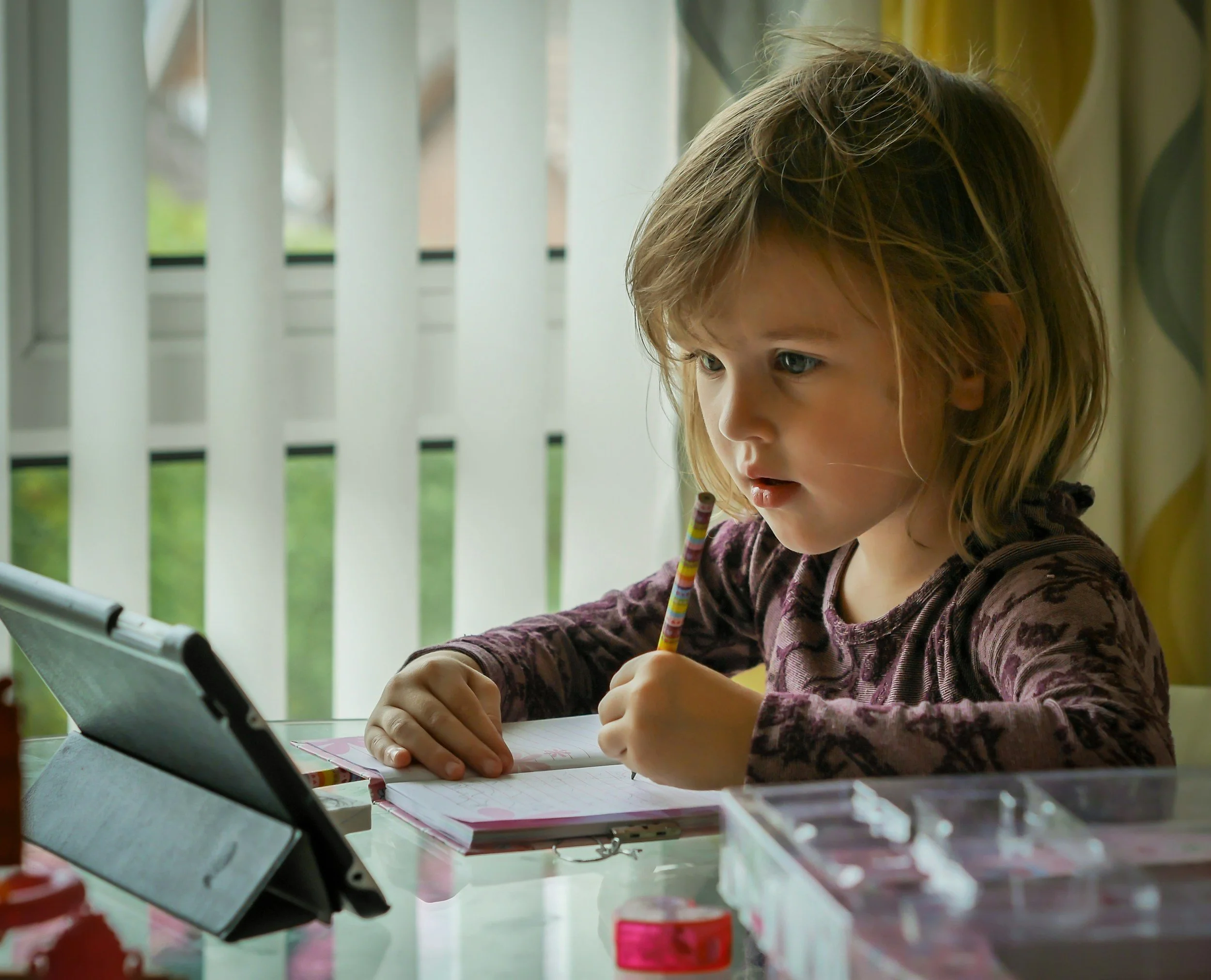
Learning at The Village is active, collaborative, and connected to the real world. Children participate in activities that strengthen academic skills while encouraging them to think, question, discuss, experiment, and figure things out for themselves. We want kids to know things, of course. But even more importantly, we want them to become curious thinkers who know how to learn.
Life Skills & Independence
Our Life Skills & Independence days give children opportunities to practice the skills that help them become capable, resourceful people.
Lessons may include cooking, budgeting and money, basic first aid, organization, home skills, etiquette, planning, decision-making, responsibility, entrepreneurship, and other practical skills children can carry into everyday life. We want them developing the confidence to think, “I can figure this out.”
Create-Build-Discover
Through STEM, science, art, nature, gardening, sewing, building, experiments, and hands-on projects, children get the opportunity to turn ideas into something tangible. Sometimes the project works beautifully. Sometimes it absolutely does not. Both are learning. We want children to experience the entire process: imagining, planning, trying, failing, adjusting, problem-solving, and eventually being able to look at something and say: “I made that.”
Confidence, Character & Personal Growth

We intentionally make room for conversations and experiences surrounding confidence, communication, boundaries, perseverance, emotions, self-respect, leadership, goal-setting, friendship, problem-solving, and personal responsibility. We aren’t trying to create one particular kind of kid. We’re creating an environment where children have room to become more fully themselves.
Plenty of Time to Be Kids
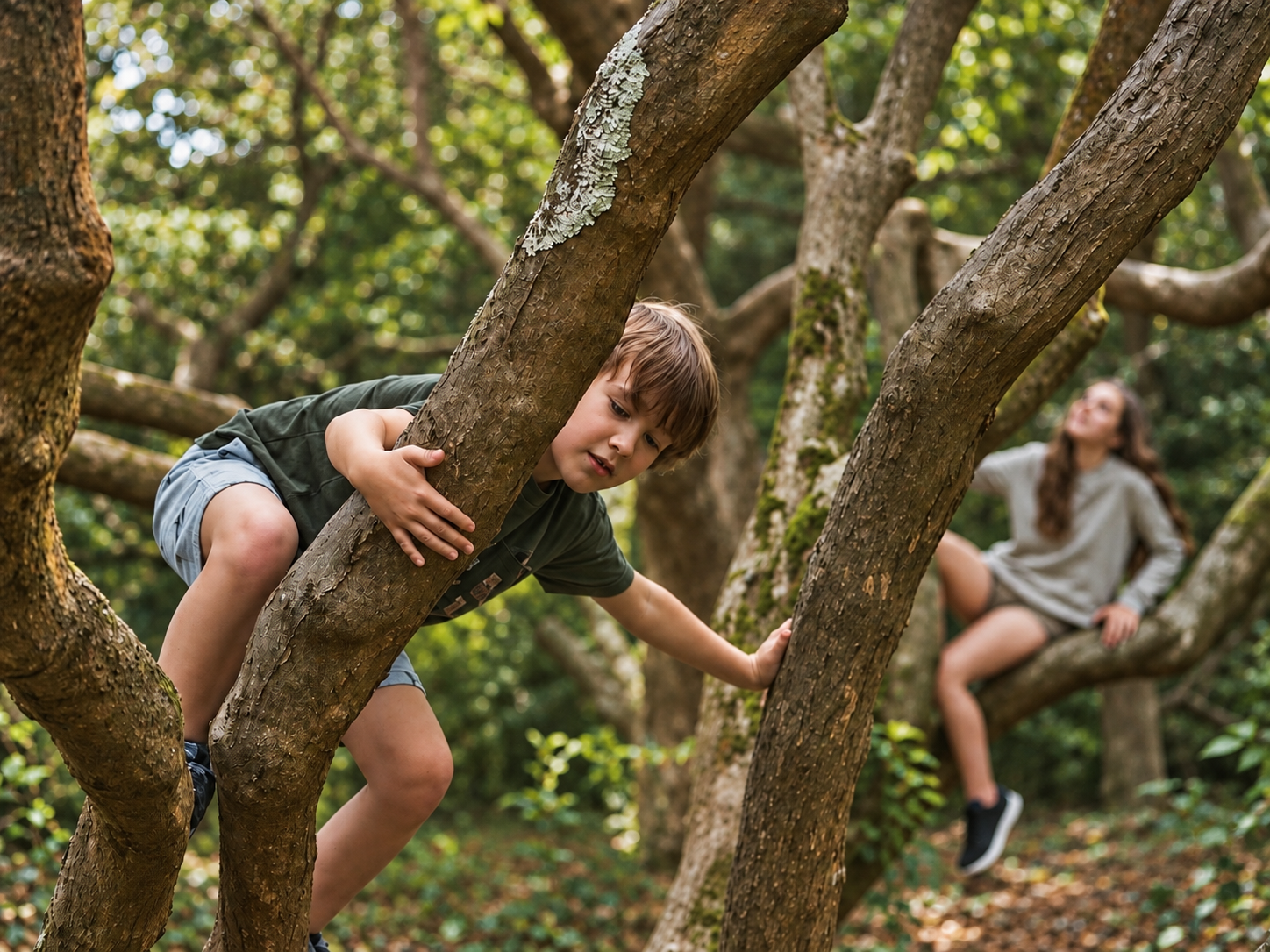
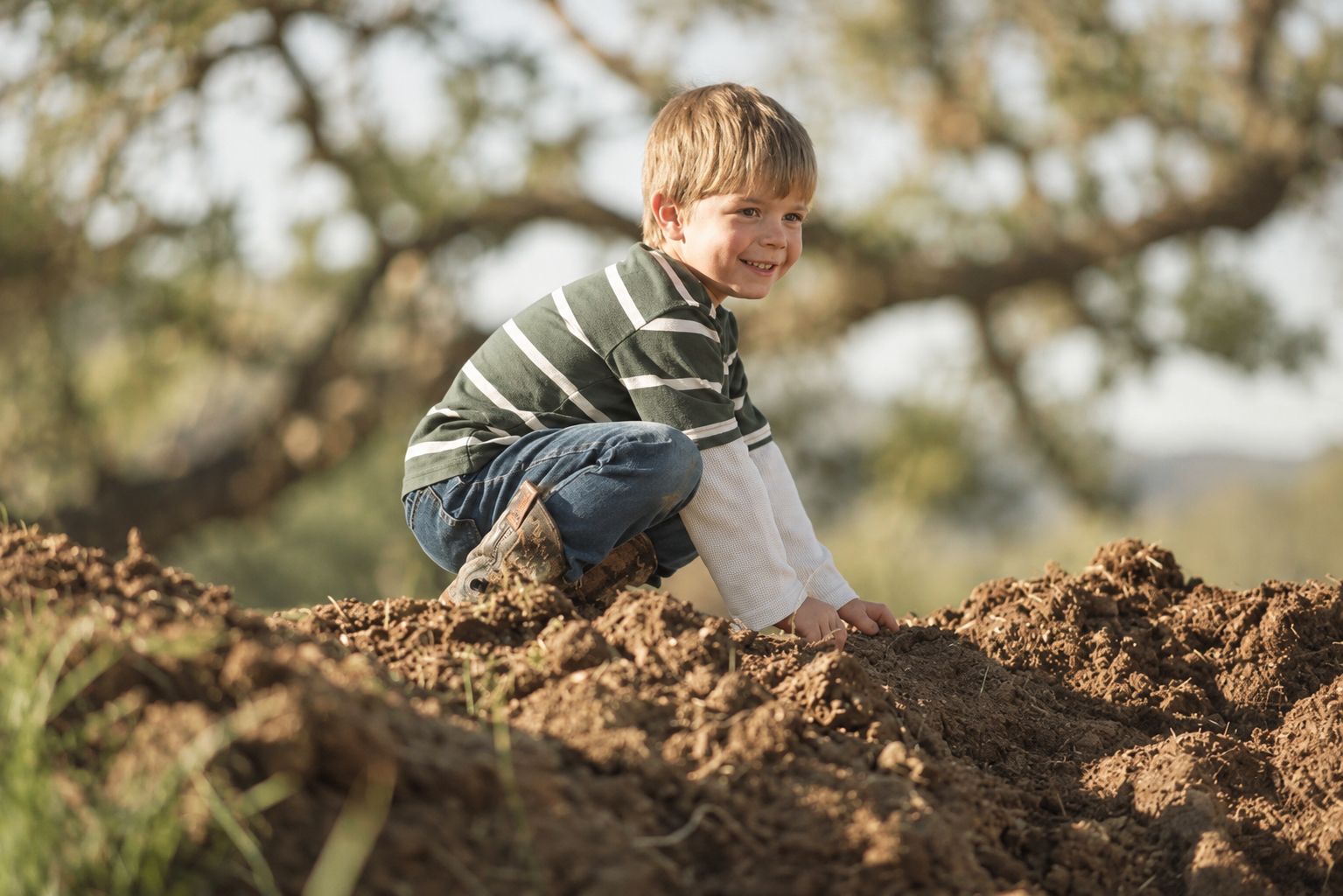
Not every minute needs to be productive. Kids need time to run. To make up games, to climb, talk, laugh, wander, imagine, negotiate, get dirty, be loud, and occasionally have absolutely no adult- directed objective whatsoever.
So we protect time for that, too. Outdoor time, movement, brain breaks, social time, and unstructured play are intentionally woven throughout our days.
Childhood is part of the education.
Community & Belonging
Children don’t grow in isolation. They are shaped by the people around them. By the way they’re spoken to. By what happens when they make a mistake. By the expectations placed on them. By the friendships they form. By the adults who notice their strengths. By whether they feel like they belong.
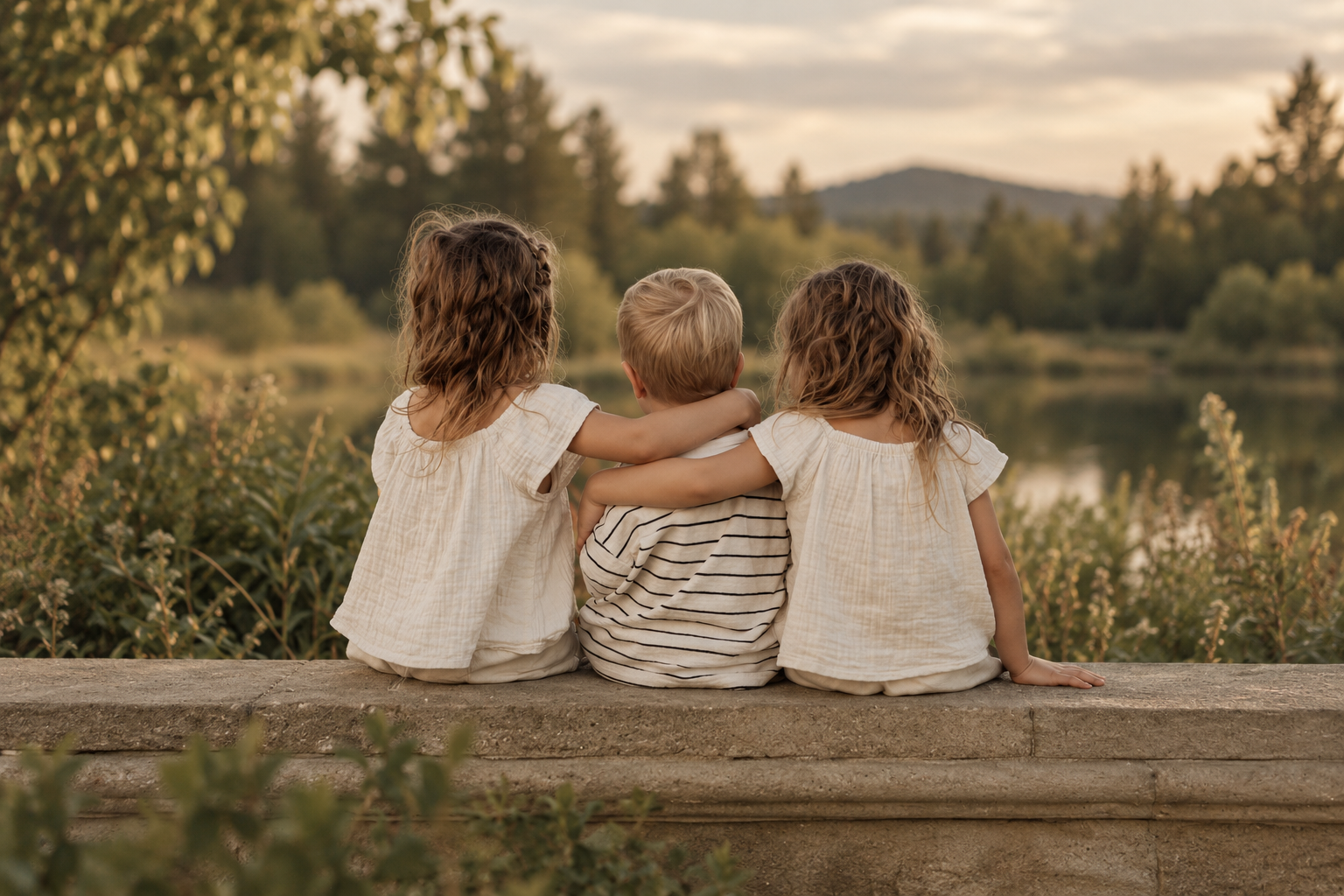
That’s why community isn’t an extra at The Village. It’s part of the education.
Our small-group environment gives children the chance to build genuine friendships, learn alongside different ages and personalities, collaborate, resolve conflict, help one another, laugh together, and contribute to a community where their presence matters.
We want kids to feel known, valued, challenged, supported, and included.
The Bigger Picture
If you looked at one day at The Village, you might see kids conducting an experiment, working through a math challenge, cooking something in the kitchen, building a project, giving a presentation, running outside, solving a disagreement, learning about money, laughing with friends, or having a conversation about confidence.
Individually, they may look like little moments.
Together, they’re the point.
We’re surrounding children with people, experiences, challenges, conversations, opportunities, and an environment intentionally chosen to help them grow. Academically. Practically. Socially. Personally.
Because education matters. And so does everything surrounding it.